
Got a High-Altitude Vacation Planned? Let's Talk About Beating the Sickness!
- A
- Jan 19, 2025
- 3 min read

Planning a trip to the mountains? Whether you’re skiing down powdery slopes, hiking rugged trails, or relaxing at a cozy lodge, high-altitude destinations promise stunning views and fresh air. But before you pack, it's crucial to address a common challenge travelers often face: altitude sickness. This post will explain altitude sickness, how to recognize its symptoms, and most importantly, how you can prevent it.
What is Altitude Sickness?
Altitude sickness, also known as acute mountain sickness (AMS), occurs when you ascend too quickly to high altitudes. It happens because your body is struggling to adjust to lower oxygen levels and changes in air pressure. Most people start to experience symptoms at about 6,000 feet (1,800 meters), but serious issues can occur over 8,000 feet (about 2,400 meters). Studies show that around 20% of people ascending to altitudes above 8,000 feet may experience AMS. Fortunately, taking the right precautions can often help you avoid it completely!
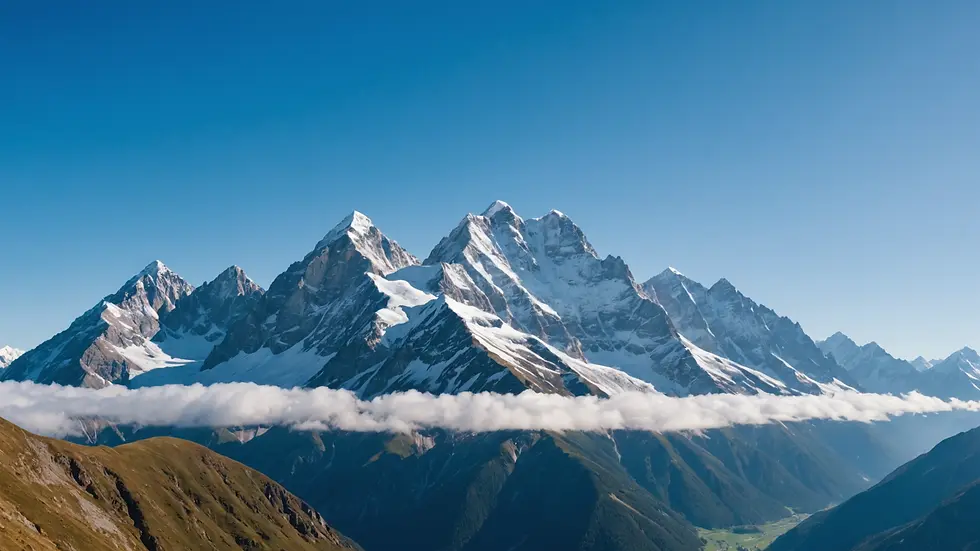
Understanding the Symptoms
Mild to Severe Symptoms
The symptoms of altitude sickness can range from mild to severe, and they typically show up within hours of arriving at high elevations. Key symptoms include:
Headache: Often the first clue something is wrong.
Nausea and Vomiting: An upset stomach can put a damper on your plans.
Fatigue: You may feel unusually tired and drained.
Dizziness: A light-headed feeling may occur, especially during activity.
Shortness of Breath: You might find it hard to catch your breath.
If you notice these symptoms, it’s vital to listen to your body. About 40% of those who ascend rapidly may face some level of AMS, so don’t ignore any warning signs.

Prevention Tips
Acclimatize Slowly
One of the best ways to avoid altitude sickness is to allow your body time to adjust. Here are some effective strategies:
Gradual Ascent: Aim for a slower climb. Spend at least one or two days at lower altitudes before going higher. For instance, if you’re heading to a ski resort at 10,000 feet, stay at 6,000 feet for a day to adapt.
Stay Hydrated: Drink plenty of water. Studies suggest that staying hydrated can reduce AMS symptoms by as much as 30%. Avoid alcohol and caffeine, as these can dehydrate your body.
Take It Easy: Keep your first few days light. Enjoy a gentle walk or explore local sights instead of engaging in strenuous activity. This allows your body to adjust gradually.
Consider Medication: Over-the-counter pain relievers like ibuprofen can help ease headaches. Prescription options include acetazolamide, which can help you acclimatize better. Always consult with a healthcare professional before taking any medications.
When to Seek Help
If symptoms persist or worsen, you may be experiencing a more serious condition called high-altitude cerebral edema (HACE) or high-altitude pulmonary edema (HAPE). Warning signs include intense headache, confusion, severe fatigue, or trouble walking. If you or someone with you has these symptoms, it is critical to head to a lower altitude immediately and seek medical attention.

Get Ready for Your Adventure
With the right preparation and awareness, you can embrace your high-altitude vacation without worrying about altitude sickness. Prioritize gradual acclimatization, stay hydrated, and listen to what your body tells you. The magnificent mountain views await, but your health is the top priority. So pack your bags and get ready for an unforgettable adventure in the great outdoors. Safe travels!



Comments