
Feeling Under the Weather? Why DIY Doctoring May Not Cut It.
- A
- Jan 19, 2025
- 3 min read

Feeling a bit off? Many of us have been there, reaching for our trusty over-the-counter meds or diving into the depths of online health forums for "quick fixes." Self-medication seems like a logical solution, especially when you're faced with a headache or a sneeze. However, jumping into DIY doctoring can lead to a host of complications that are often overlooked. Let’s explore why self-medication isn’t always your best bet and what you should consider before taking matters into your own hands.
The Allure of Self-Medication
Let’s face it: when you feel unwell, the last thing you want to do is wait hours in a doctor's office. The convenience of popping a pill from your cabinet or scrolling through health tips online is tempting. According to a survey, 70 percent of adults in the U.S. self-medicate without consulting a doctor for minor ailments. After all, who doesn’t want immediate relief?
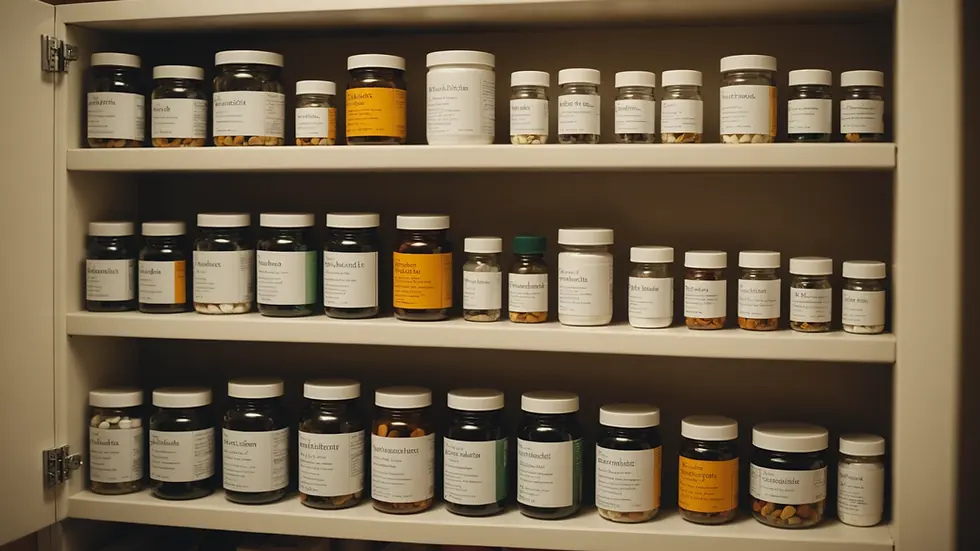
However, reaching for that quick fix can have serious health consequences. Ignoring symptoms or choosing the easy route can lead to long-term health issues or worsen the original problem.
Understanding Your Symptoms
Self-diagnosis can be a tricky path. A simple cough could be a sign of a more serious condition, such as pneumonia. Symptoms can vary widely from person to person, and what's effective for one might harm another. For instance, a 2023 study found that nearly 30% of people self-treated a sore throat without knowing they had strep, which requires antibiotics.

Some home remedies, like honey for cough relief, are effective for certain individuals but can cause adverse reactions in others, especially those with allergies. By not fully understanding your symptoms, you risk choosing medications that might worsen your condition or interact negatively with prescriptions you are already taking. Consulting a healthcare professional can save you from unnecessary complications.
Risk of Misuse
Self-medication often leads to misuse or overuse. Many people do not know the safe dosage for medications, increasing the risk of harmful side effects. For example, acetaminophen, commonly found in pain relievers, can cause liver damage if taken in excess. According to the CDC, more than 50,000 emergency room visits occur each year due to accidental overdoses of acetaminophen.
Prescription medications are even trickier. With the growing problem of opioid misuse, it's essential to have guidance when taking such drugs. A healthcare provider can help prevent tragic outcomes by ensuring you use medications safely.
Side Effects and Drug Interactions
Every medication comes with potential side effects, and combining different treatments can lead to unexpected results. However, many self-medication approaches overlook these crucial aspects.
It's common for individuals to skip warning labels and informational pamphlets that explain possible side effects. Failing to read this information can result in dangerous consequences. For example, taking both antihistamines and certain anti-anxiety medications can lead to increased sedation, putting you at risk of accidents. Healthcare professionals have the training and knowledge to develop a safe treatment plan tailored to your needs.
The Psychological Aspect
The psychological side of self-medication is often overlooked. Many people think, "It’ll go away on its own," or "I can handle this myself." These thoughts can lead to increased anxiety when symptoms persist. A 2022 study revealed that individuals who self-medicated were more likely to experience heightened stress related to their health.
Additionally, the confidence in self-diagnosing can encourage a lone-wolf mentality regarding health. Consulting with a healthcare professional encourages open dialogue about your symptoms, promoting a larger, more informed approach to health management.
Cost Implications
While self-medication may seem like a budget-friendly option, it often leads to unexpected expenses. Money spent on over-the-counter meds, repeated treatments for the same issue, or addressing complications from poorly managed medications can add up over time.
In fact, the National Institute of Health estimates that improper self-medication costs the healthcare system billions annually. Investing in professional medical advice can ensure that you’re spending money effectively on medications that genuinely aid in your recovery, rather than risking wasted resources on ineffective treatments.
Professional Guidance is Key
While self-medication may promise convenience and rapid relief, it often carries significant risks. From the potential for misuse to misdiagnoses and hidden side effects, taking health into your own hands can lead to more harm than good. Consulting a healthcare professional can provide tailored advice that considers your unique health history and current conditions.
The rise of telemedicine services offers many avenues for quick medical advice, making it easier than ever to consult a healthcare provider. This approach can streamline the healthcare process and ensure that you make informed decisions about your health.
Remember: your health deserves professional attention. The wiser approach is to let experts guide you through your health journey, ensuring safer and more effective outcomes. The next time you feel under the weather, reach out to a healthcare provider rather than self-medicating. A simple consultation can lead to better health decisions and peace of mind.



Comments